Published : 2025-09-25
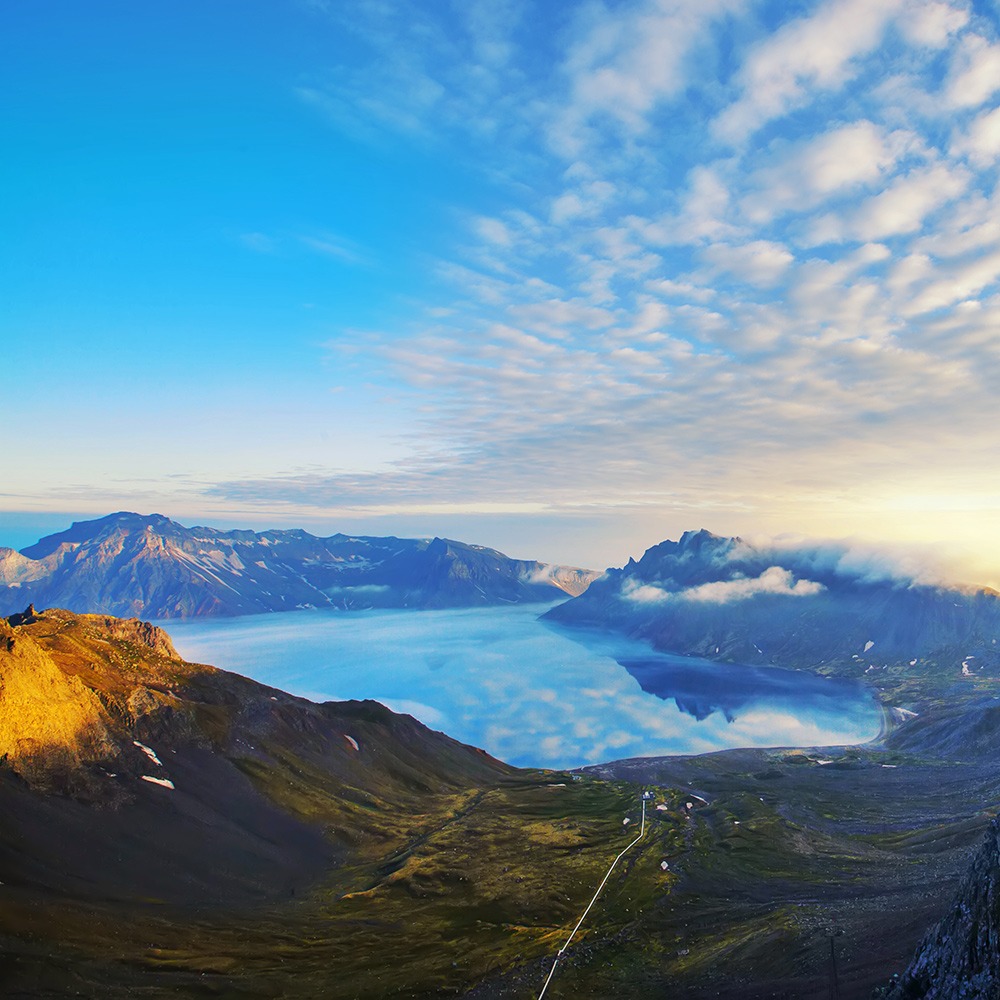
There is a lake in China whose deepest point reaches an astonishing 373 metres. It is Tianchi of Changbai Mountain, China's deepest lake and also the deepest alpine lake in the world.
Interestingly, this lake has no inlet, yet its water has flowed unceasingly for a millennium. Where does so much water come from?
Tianchi of Changbai Mountain: China's highest volcanic lake
Changbai Mountain (長白山), in the southeast of Jilin Province (吉林省), holds the honour of being the "First Mountain of Guandong" (關東第一山), and in the Classic of Mountains and Seas (《山海經》), it was already recorded, bringing with it a mythological aura.
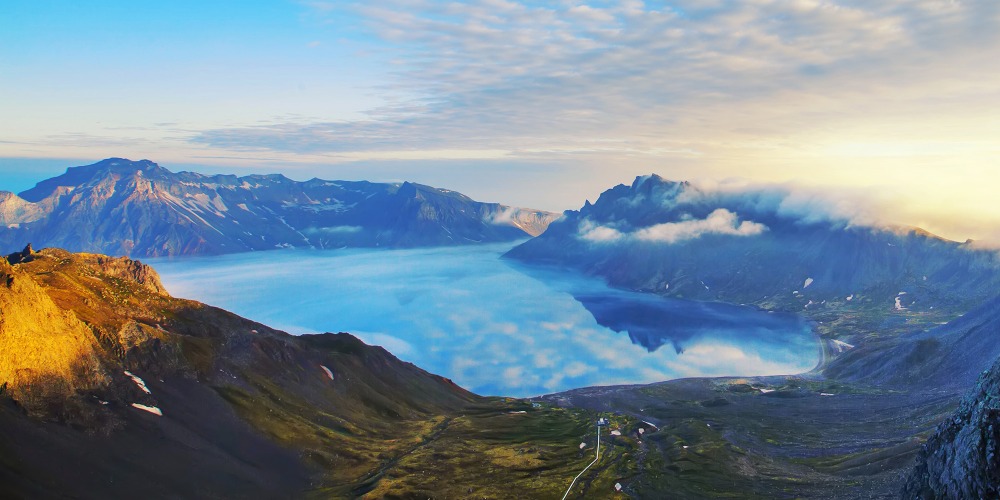
Atop Changbai Mountain, at an elevation of over 2,100 metres, there is an oval-shaped volcanic lake with a surface area of nearly 10 square kilometres; this is the famous "Tianchi" (天池), which means "heaven lake" in Chinese.
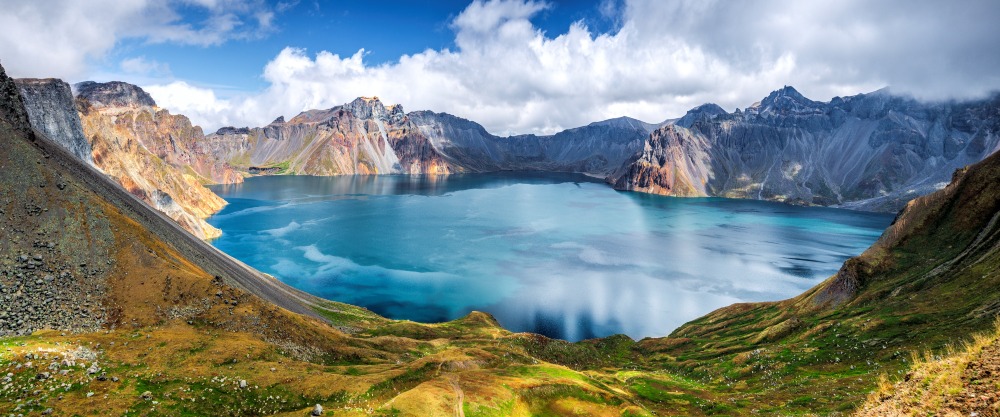
This is China's highest and largest volcanic lake, as well as the source of the Songhua (松花江), Yalu (鴨綠江), and Tumen rivers (圖們江). With an average depth of 204 metres, its deepest point reaches 373 metres.
It is worth noting that waters below 200 metres from sea level are defined as the deep sea, a depth that sunlight cannot reach, which shows how astonishing the depth of Tianchi is.
Amazingly, Tianchi of Changbai Mountain is suspended high in the sky with no inlet, only one outlet, yet its water has flowed unceasingly for a millennium. Where does so much water come from?
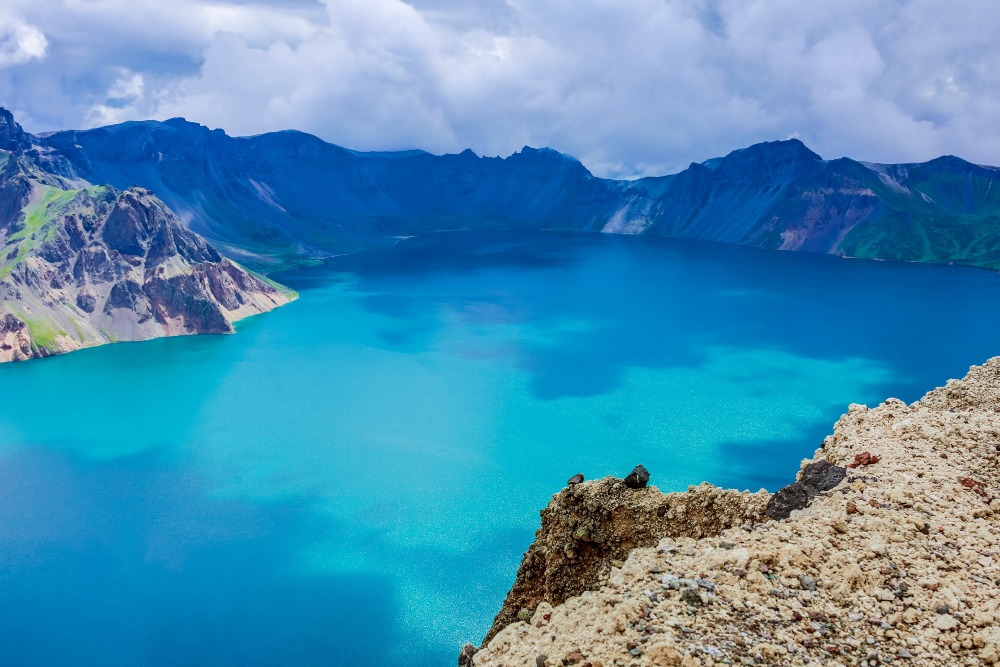
It turns out that Changbai Mountain is a composite active volcano (also known as a stratovolcano), with its most recent eruption occurring just over 300 years ago.
The site of Tianchi is a crater left by historical volcanic eruptions, resembling a giant water basin where rainwater and groundwater have accumulated over thousands of years, forming a vast lake around the Ming Dynasty (1368-1644 AD), which is the Tianchi of today.
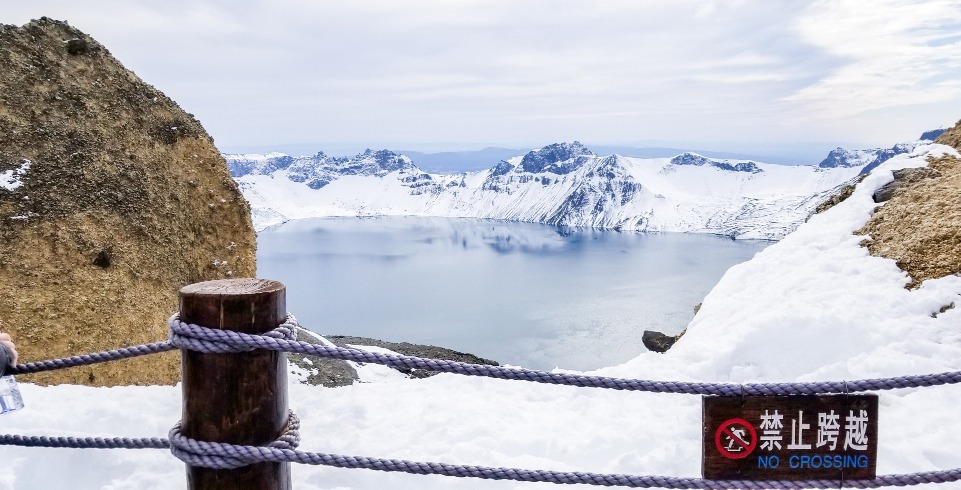
According to historical records, the water of Tianchi is "ice-free in winter, duckweed-free in summer"; it is absolutely true that no duckweed is seen in summer, but "ice-free in winter" is not the case. Tianchi of Changbai Mountain is frozen for as long as seven months each year, from December to June of the following year, and it is the last lake in China to "break ice" annually.
Read more: Ergun, China's largest wetland: What makes it so special?
Tianchi: Is it related to Nüwa's sky-mending stone?
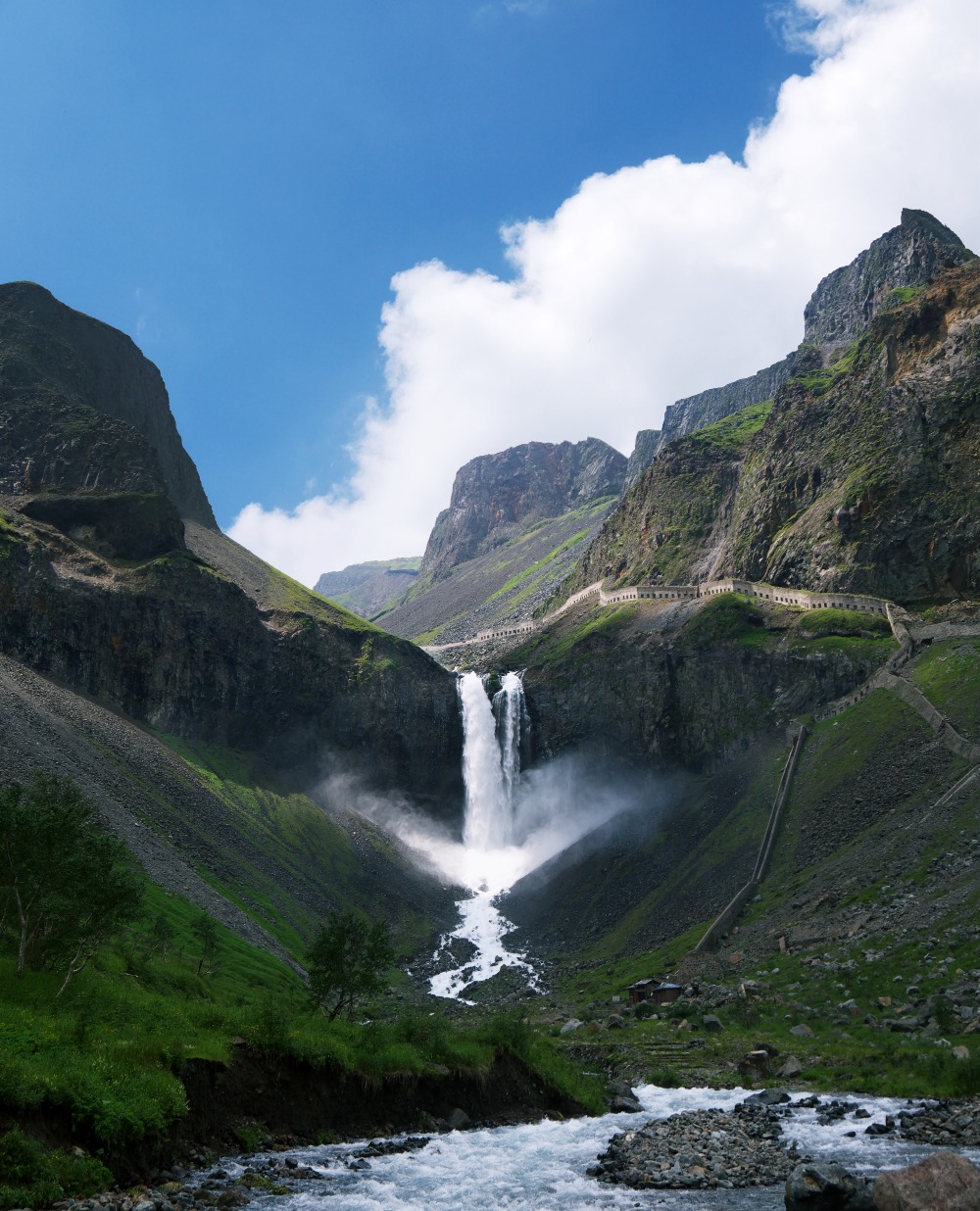
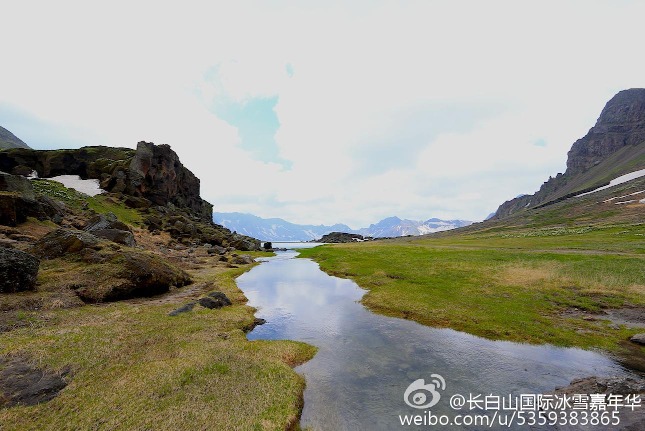
Tianchi is surrounded by 16 uniquely steep mountain peaks, and there is a gap between the peaks on the northern side, from which the water of Tianchi flows out to form a river named "Chengcha River" (乘槎河). At the river mouth lies a huge rock shaped like a tadpole, which the local people believe was the Sky-Mending Stone left behind by Nüwa (女娲), a mother goddess in Chinese mythology, when she mended the sky.
As Changbai Mountain is regarded as the ancestral homeland of the Manchu people of the Qing Dynasty (1644-1911 AD), some scholars have also linked Changbai Mountain with the classic novel Dream of the Red Chamber (《紅樓夢》).
In the book, Jia Baoyu (賈寶玉) was "born with a jade in his mouth", and the jade came from the Sky-Mending Stone at the foot of Qinggeng Peak (青梗峰).
The pronunciation of "Qinggeng" is similar to "Qing gen" (root of Qing) in Mandarin, and scholars believe it refers to the origin of the Manchu Qing, which is Changbai Mountain. This theory happens to correspond with the legend of the Sky-Mending Stone on Changbai Mountain, adding a layer of legendary colour to Tianchi.